


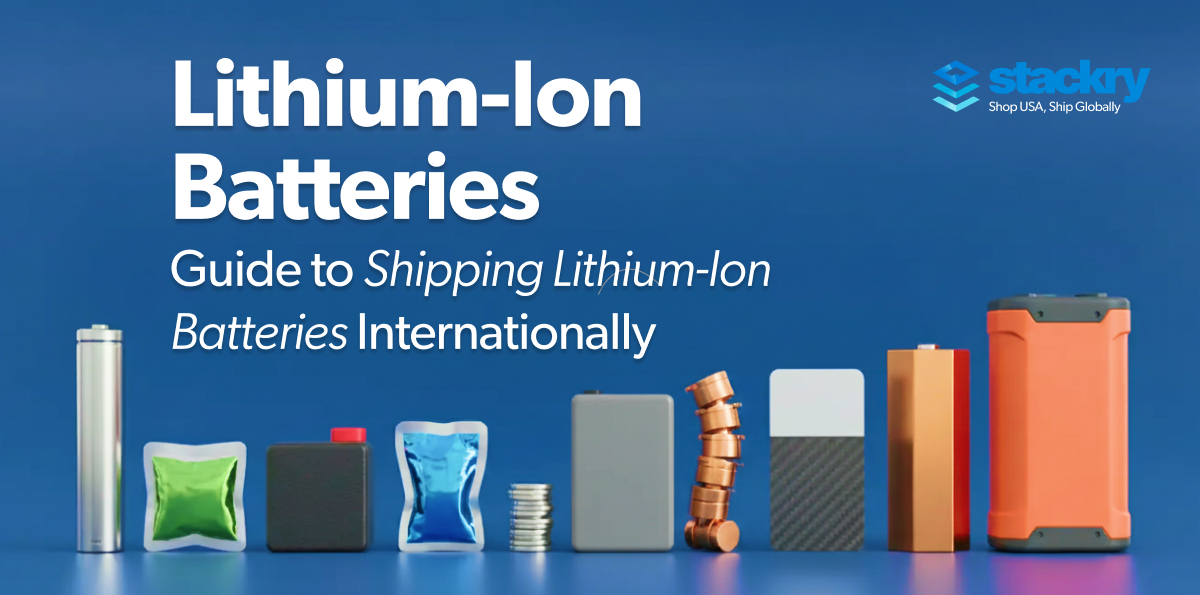
Shipping lithium batteries internationally can feel complicated, and for good reason. However, understanding the basics makes shopping from the United States much easier. Lithium ion and lithium metal batteries power most modern devices, and global carriers follow strict rules to keep air transport safe. This guide explains what’s allowed, how Stackry handles these items and what you should check before you buy.
Why lithium batteries matter
Lithium batteries power smartphones, laptops, tablets, wearables and many other high energy devices. Because they store so much energy in a compact form, they are classified as dangerous goods. Shipping rules exist to prevent overheating, short circuits and fire during transport.
“Lithium batteries are classified as dangerous goods because of the high energy they store. Global shipping rules exist to prevent overheating, short circuits and fire during air transport.”
Types of lithium batteries
There are two main types that affect shipping rules.
- Lithium-ion batteries (UN3480/3481)
Rechargeable and used in laptops, smartphones, tablets, e-bikes, drones, and power tools. - Lithium-metal batteries (UN3090/3091)
Non-rechargeable and found in watches, calculators, car key fobs, and small electronics.
This distinction matters because lithium‑metal batteries face significantly tighter restrictions than lithium‑ion, particularly when shipped on their own, which affects how couriers accept and transport them.
Products that commonly contain lithium batteries
Many everyday products contain lithium batteries. These include laptops, mobile phones, tablets, smartwatches, headphones, cameras, e-readers, drones, gaming accessories, smart home devices and portable speakers. If you buy modern electronics, you’re almost always buying something with a lithium-ion battery inside.
Are these items allowed to ship internationally?
Most electronics with a battery installed inside the device can be shipped internationally with the appropriate courier options. Items that include a spare battery in the same box may also be possible, depending on the courier’s policy and the destination’s safety requirements. Standalone batteries and power banks have specific transport rules, and acceptance varies by route and carrier. Any battery that’s damaged, swollen, leaking or part of a recall cannot be shipped under any circumstances.
Stackry’s policy on lithium battery shipments
Stackry follows international transport regulations and courier rules to keep shipments safe. Devices with batteries installed can normally be shipped, especially when they are new; if a device is used, the battery level should be below 30% in line with air-transport guidelines. Some products that include a single spare battery may also be possible, depending on the courier and destination.
Standalone lithium batteries, loose spare batteries and power banks are subject to specific rules, and acceptance varies by country and carrier. Stackry inspects all incoming items and contacts customers if something requires review or cannot be shipped.
“With Stackry’s checks, expert handling, and compliant packaging, most battery‑powered devices ship safely and reach customers worldwide without issues.”
How different couriers handle lithium batteries
DHL and FedEx follow the same global safety standards, but each carrier has its own internal policies. DHL accepts loose batteries for all Gulf countries and also accepts most devices with batteries installed. FedEx accepts equipment containing batteries but applies stricter conditions to standalone batteries. Stackry will help you select a courier based on which options are compliant for your item and your destination.
What happens when a battery item arrives at Stackry
Every item containing a battery goes through several checks. The team confirms whether the battery is installed, assesses its condition and verifies that the product is safe to ship. Items that appear damaged are flagged immediately. If the item is compliant, Stackry prepares it using packaging that protects the battery from movement or accidental activation (including considerations like how couriers calculate weight). Your available shipping options are then adjusted so that only eligible couriers appear. For more details, see our international shipping options.
Countries with stricter import rules
Some destinations enforce additional restrictions on lithium batteries, especially for aviation-safety and environmental-compliance reasons. Countries such as Japan, South Korea, China, India, the United Arab Emirates, and several island nations apply tighter controls that affect how battery-powered devices can be shipped. When these rules apply, Stackry may limit the available courier options to comply with local and international regulations.
Due to regulatory constraints, Stackry does not ship loose batteries to China and is no longer shipping electronic devices there at all.
Tips before buying
Follow these simple steps to avoid issues when shipping lithium-ion batteries internationally:
- Check the product listing for “lithium-ion” or “lithium-metal” details.
- Only buy from reputable retailers – avoid unknown resellers offering used batteries.
- Avoid damaged or refurbished batteries as these cannot ship.
- If you're unsure about your country's import rules, feel free to contact our support team so we can guide you.
✅At Stackry, we follow global safety standards set by IATA and works with major couriers to ensure that every lithium battery shipment is handled securely and compliantly. Customers can shop for U.S. electronics with confidence knowing that their items are reviewed and packed with care.
Additional external references
Here are authoritative external resources for readers who want deeper regulatory detail:
- IATA Lithium Battery Guidance Document – the primary global reference airlines use for lithium battery safety and packaging requirements.
- PHMSA Lithium Battery Guide – published by the U.S. Department of Transportation, explaining federal rules for shipping lithium batteries by air, road, rail and sea.
- FedEx Lithium Battery Guidelines – FedEx’s official guidance showing how couriers apply lithium battery regulations in real shipping scenarios.
- DSV Dangerous Goods Class 9A Overview – an industry resource explaining how lithium batteries are classified and handled across different transport modes.
If you’re ready to shop U.S. electronics and ship them worldwide, sign up for your free account. For questions about shipping lithium ion batteries internationally or how to ship lithium ion batteries safely, contact our support team.





%401x.svg)